Our Beneficiaries

From ginger farmers in Tukuyu to spice entrepreneurs in Mbeya and student nutrition in Iringa. Here are the voices and stories of communities transformed by climate finance.

Impact Story

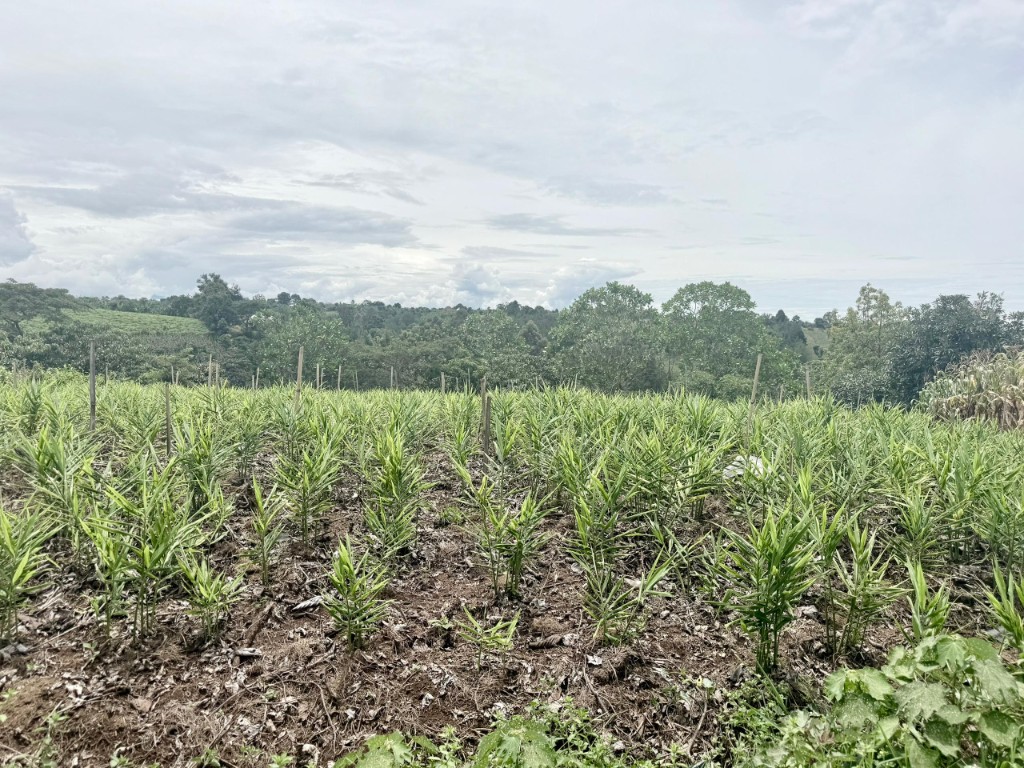
Climate Finance for Ginger Farmers in Isajilo, Tukuyu

"Before, one bad rain meant one lost season. With organic ginger and a financial buffer, we can plan beyond the next storm."Smallholder ginger farmers, Isajilo Ward, Tukuyu
Isajilo
Tukuyu, Southern Highlands
Organic
Certified farming transition
Export
Premium market access

In the lush, rolling hills of Isajilo, Tukuyu, where the mist often clings to the slopes of the Southern Highlands, climate finance is rewriting the future for smallholder ginger farmers. Historically, these growers faced the brunt of erratic rains and sudden droughts, climate shocks that once decimated yields and left families vulnerable.

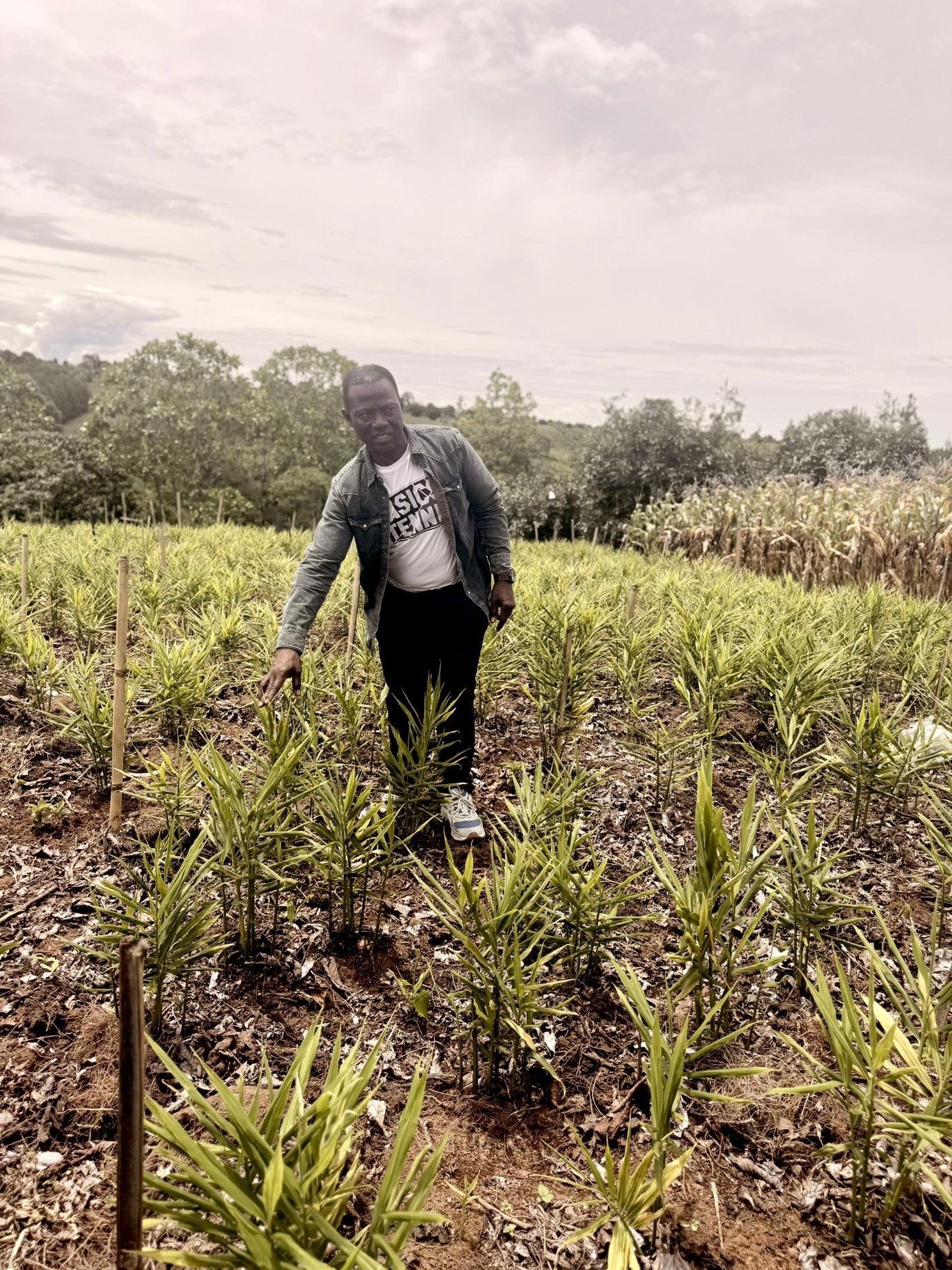
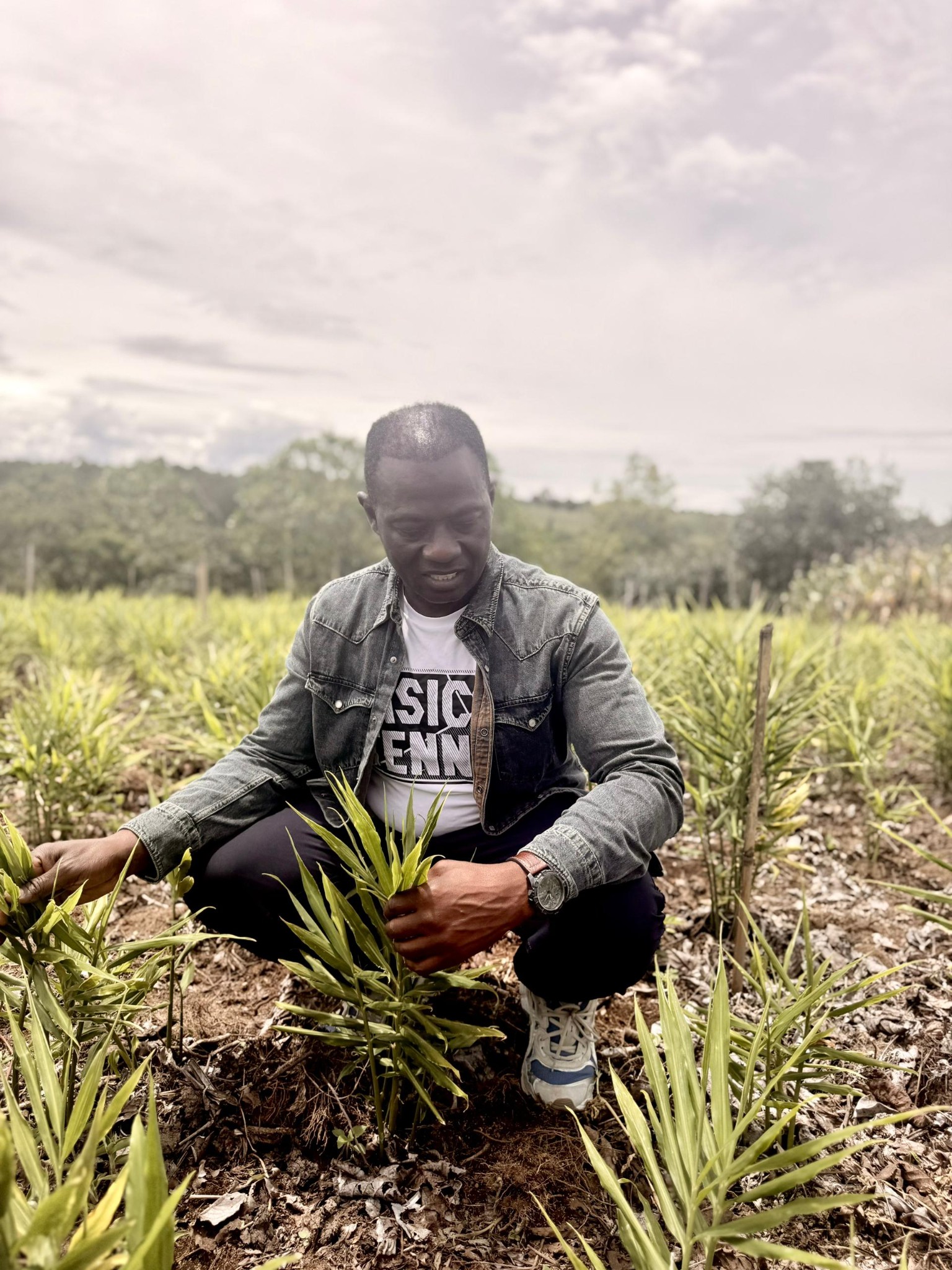
Ginger farmer in Isajilo, Tukuyu Farmer tending ginger plants Ginger farm in Southern Highlands

Today, however, targeted African climate funds are flowing into the valley, empowering farmers to transition to certified organic ginger farming. By financing the distribution of drought-resistant seeds and training in regenerative agriculture, such as mulching for moisture retention and the use of bio-fertilizers, this capital acts as a financial shield. These practices do more than just grow spice; they build "soil sponges" that allow crops to survive dry spells and prevent erosion during heavy downpours, ensuring that a single storm no longer means a season of lost income.

This shift is a lifeline for local livelihoods, turning a volatile harvest into a high-value, steady export that commands a premium in global markets. For the families of Isajilo, this means the ability to reinvest in their children's education and local healthcare, fostering a resilient community that no longer lives in fear of the next weather report. On a global scale, this micro-level success is a direct contribution to the Paris Agreement. By replacing chemical inputs with organic methods, these smallholders are sequestering carbon in the soil and reducing nitrous oxide emissions, effectively aligning local prosperity with the international goal of limiting global warming.

In the quiet fields of Tukuyu, climate finance isn't just a policy term; it is the engine of a green recovery that proves sustainable farming can be both a moral choice and a profitable one.
Impact Story

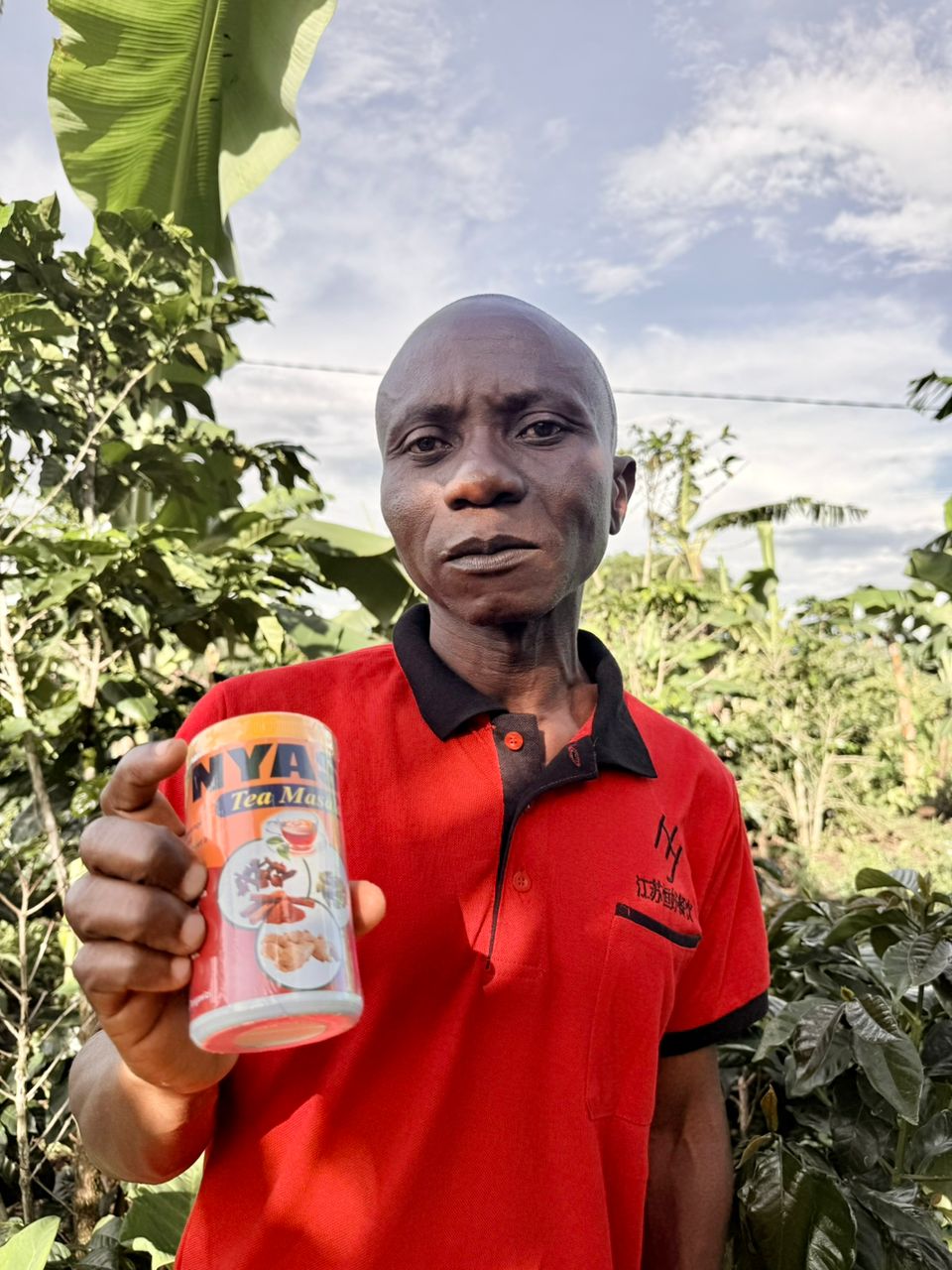
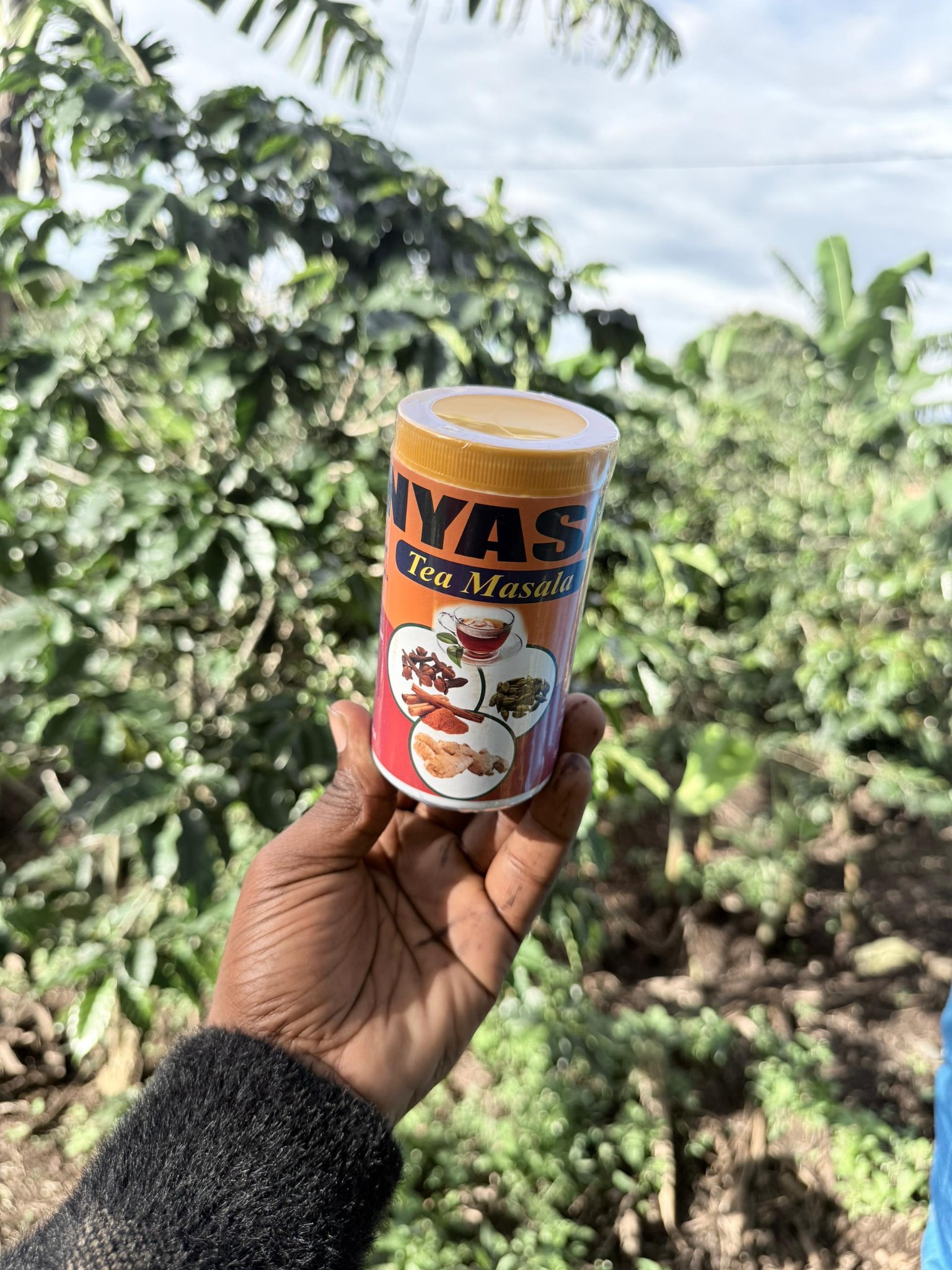
Nyasa Masala in Mbeya Region

"Making spices improved our food security and helped us navigate climate shocks."Nyasa Masala founder, Mbeya Region
Nyasa Tea Masala product Nyasa Masala founder with product, Mbeya Region
Mbeya
Region, spice value chain
Microloan
Africa Climate Finance
Nutrition
Local spice blends

We are proud to announce that this innovative startup was financed through our microfinance institution, Africa Climate Finance, as part of our commitment to championing grassroots climate resilience and nutritional security.

Located in the agricultural hub of the Mbeya Region, Nyasa Masala is a value-addition initiative operating at the critical intersection of food security and climate adaptation. While Mbeya is historically a "food basket," local diets frequently lack essential micronutrients. Nyasa Masala solves this by locally sourcing, processing, and packaging high-quality spice blends including ginger, turmeric, cardamom, and chillies harvested from Mbeya's hinterlands.

Impact Story

Fueling Minds, Greening the Future

The story of Aswile's Power Porridge in Iringa

Power Porridge
Student breakfast project
Iringa
Local farmer supply chain
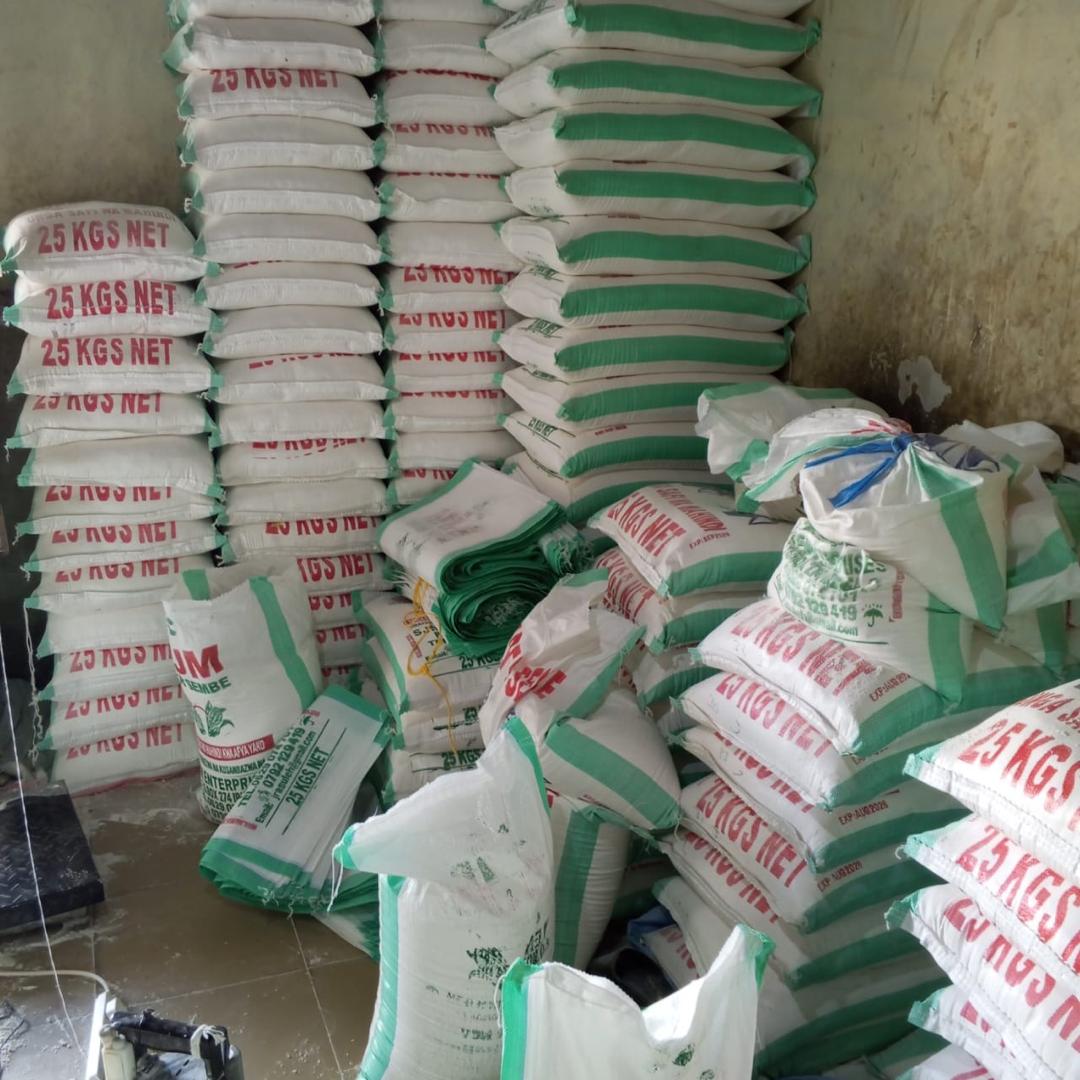
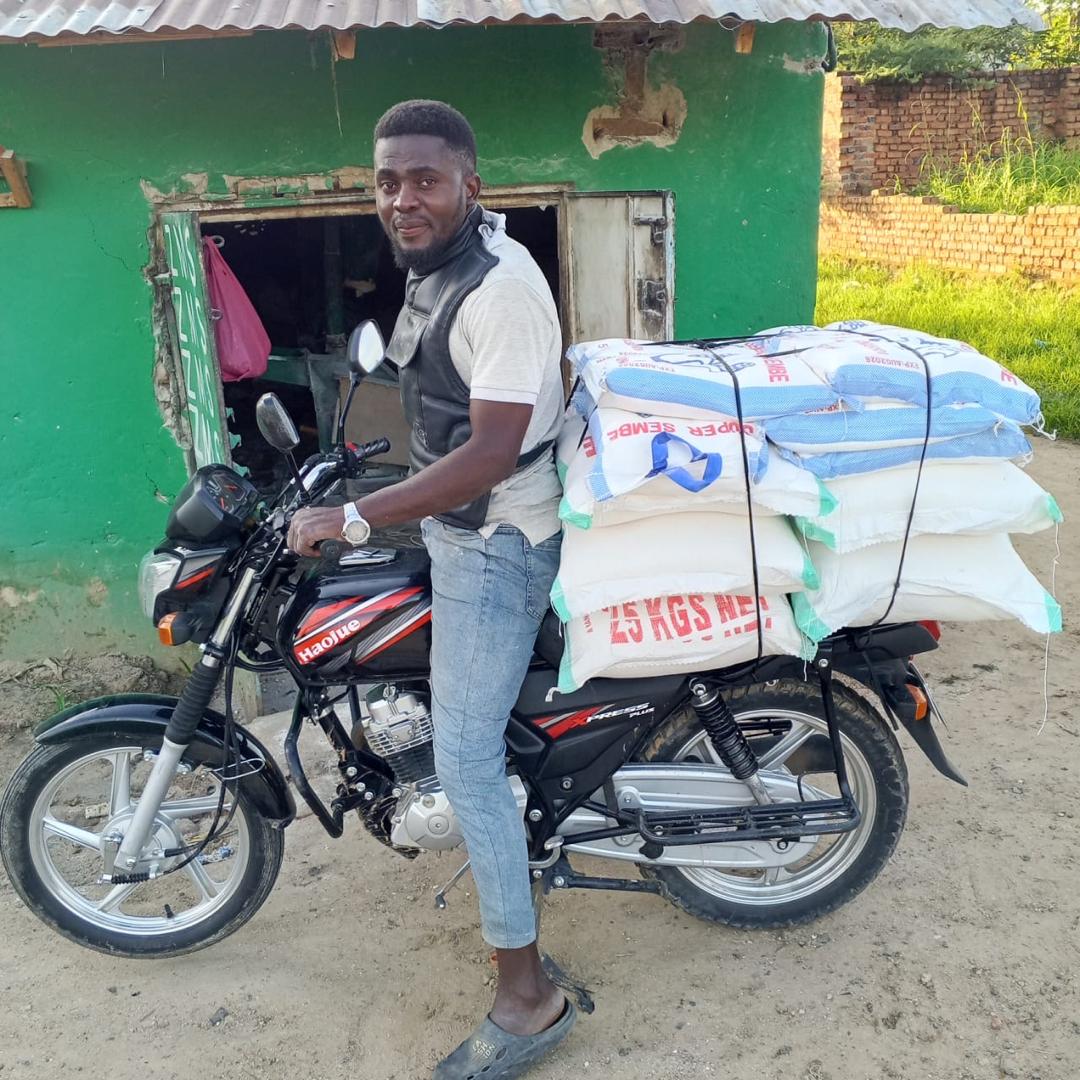
Power Porridge storage and inventory in Iringa Aswile Francis Mwaihola delivering Power Porridge in Iringa

In the heart of Iringa, a simple yet profound realization is transforming both classrooms and farming communities: a student's ability to learn is fundamentally tied to their nutrition. Recognizing the critical link between wholesome sustenance and academic focus, visionary young entrepreneur Aswile Francis Mwaihola launched the Power Porridge Student Breakfast Project.

Aswile's venture is built on a meticulously crafted nutritional blend of maize, millet, wheat, soya beans, rice, and peanuts. But the true power of his porridge lies not just in its ingredients, but in where they come from.

Rooted in Community, Driven by Climate Action

Aswile's vision goes far beyond the schoolyard; it takes root in the very soil of his community. By sourcing every single ingredient directly from Iringa's resilient farmers, he has engineered a localized supply chain that completely bypasses long-distance transportation. This model drastically reduces climate-polluting emissions while injecting immediate economic vitality into the region. It is a powerful, living template for community-led economic and environmental resilience.

Advancing the Global Goals from the Ground Up

At Africa Climate Finance, investing in models that bridge human capital and environmental stewardship is our core mandate. Aswile's venture proves that grassroots innovation is one of our strongest tools for driving the UN Sustainable Development Goals (SDGs):

  • Zero Hunger (SDG 2) and Good Health (SDG 3): By replacing empty calories with a rich, multi-grain breakfast, the project radically improves the nutritional outcomes and daily well-being of local students, giving them the sustained energy needed to focus and thrive in their studies.
  • Decent Work and Economic Growth (SDG 8): Aswile stands as a powerful example of youth empowerment and entrepreneurship. Simultaneously, his commitment to local sourcing provides a stable, reliable income stream for Iringa's farmers, securing livelihoods across the agricultural value chain.
  • Climate Action (SDG 13): By deliberately minimizing supply chain transport, the project builds a localized, low-carbon food economy that actively protects the environment.

An Investment Beyond Finance

Our backing of the Power Porridge project transcends simple finance. It is a strategic investment in the enduring strength of Tanzanian communities. Aswile's model proves that we do not have to choose between nourishing our youth, uplifting our farmers, and protecting our planet. We can, and must, do all three.

This initiative stands as a tested, sustainable, and highly impactful blueprint for the entire region.