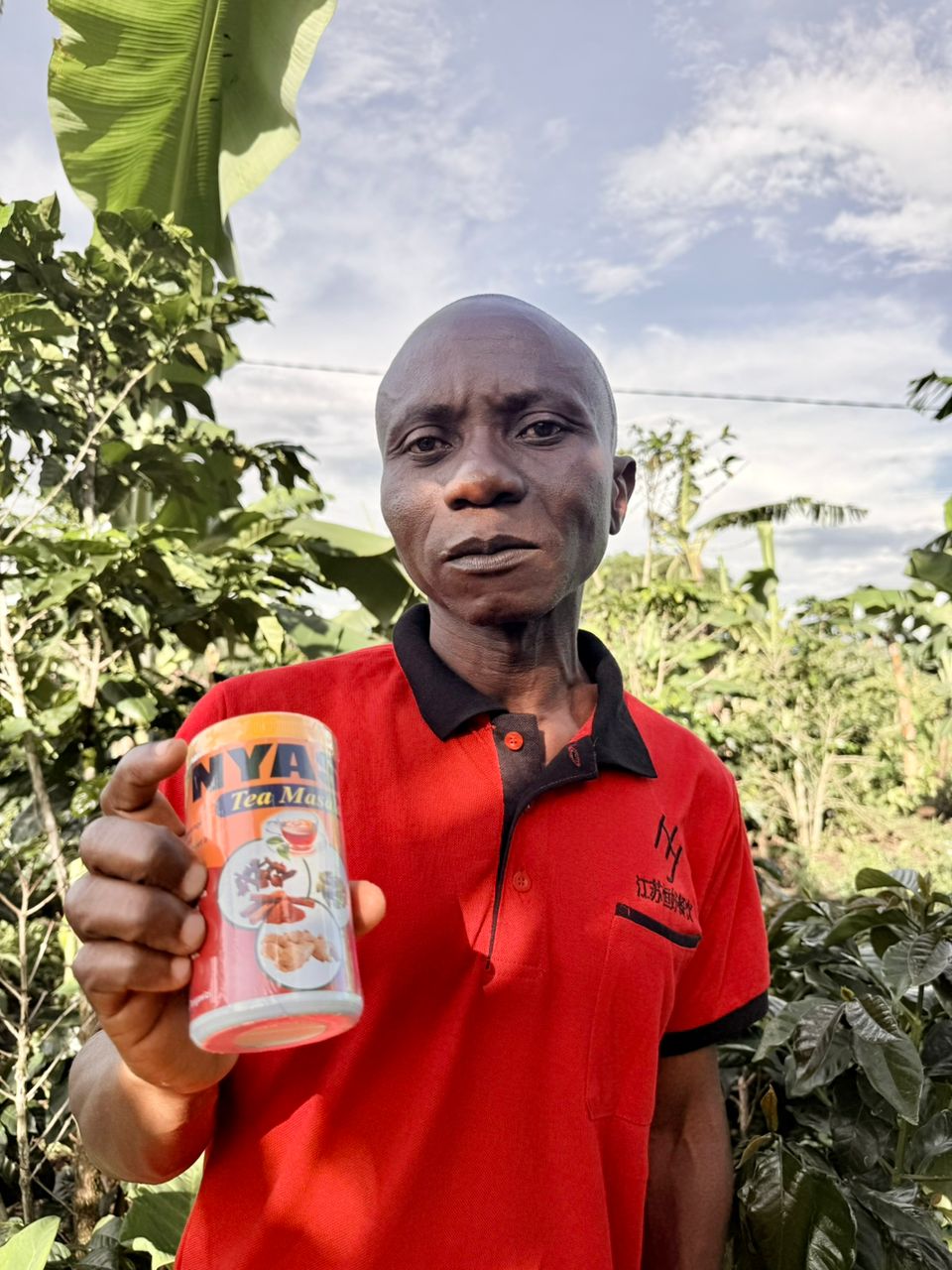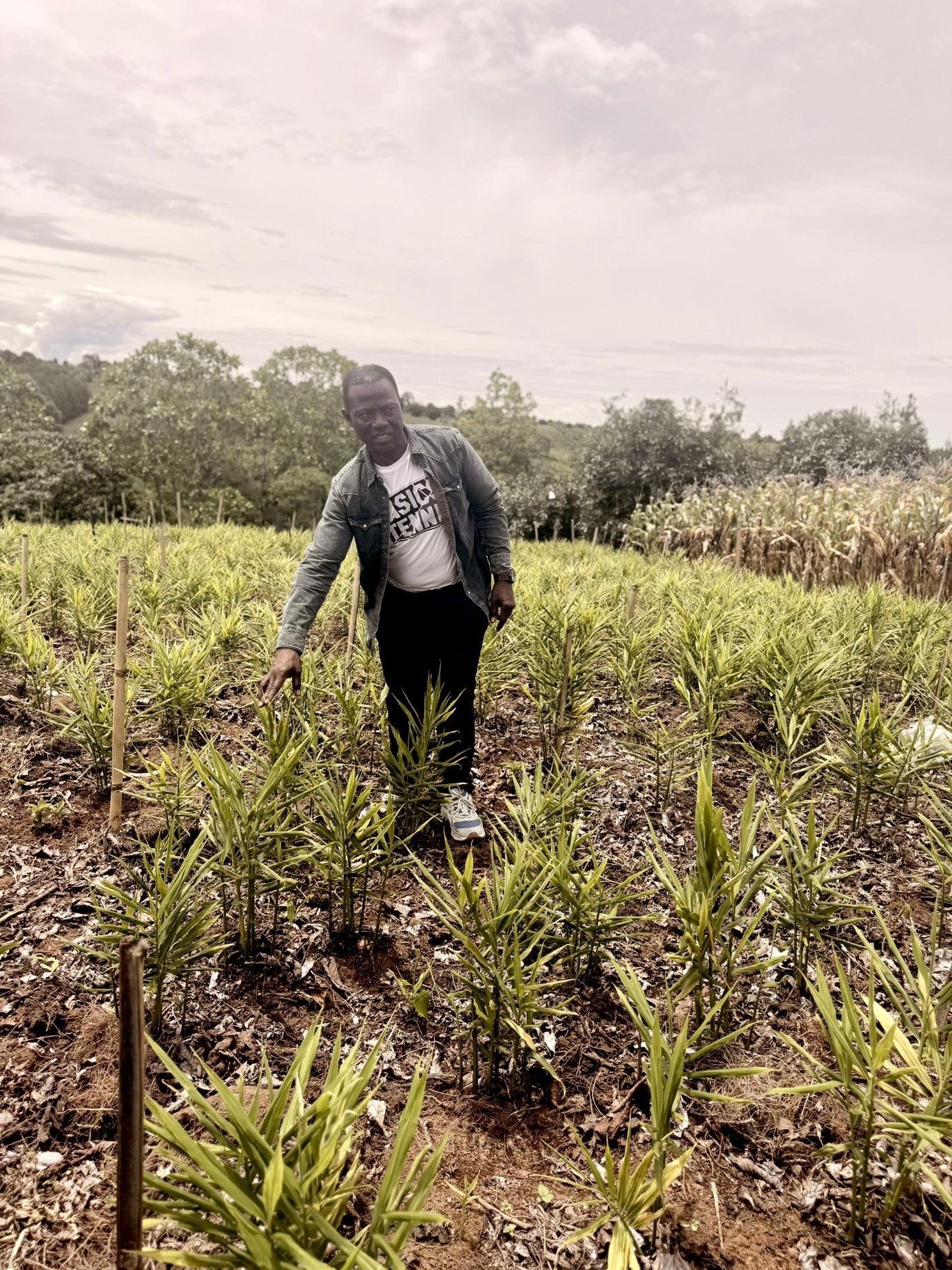
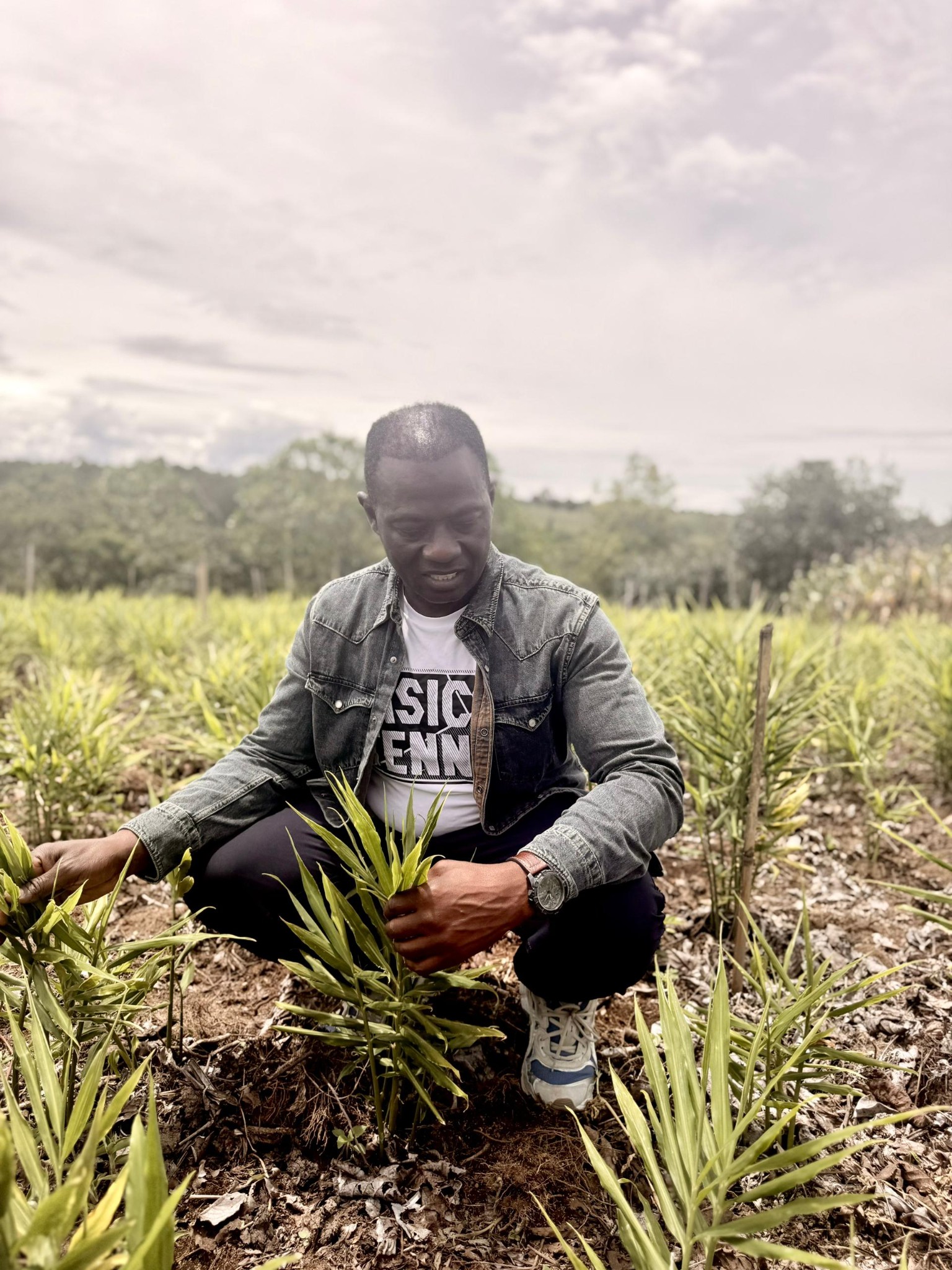
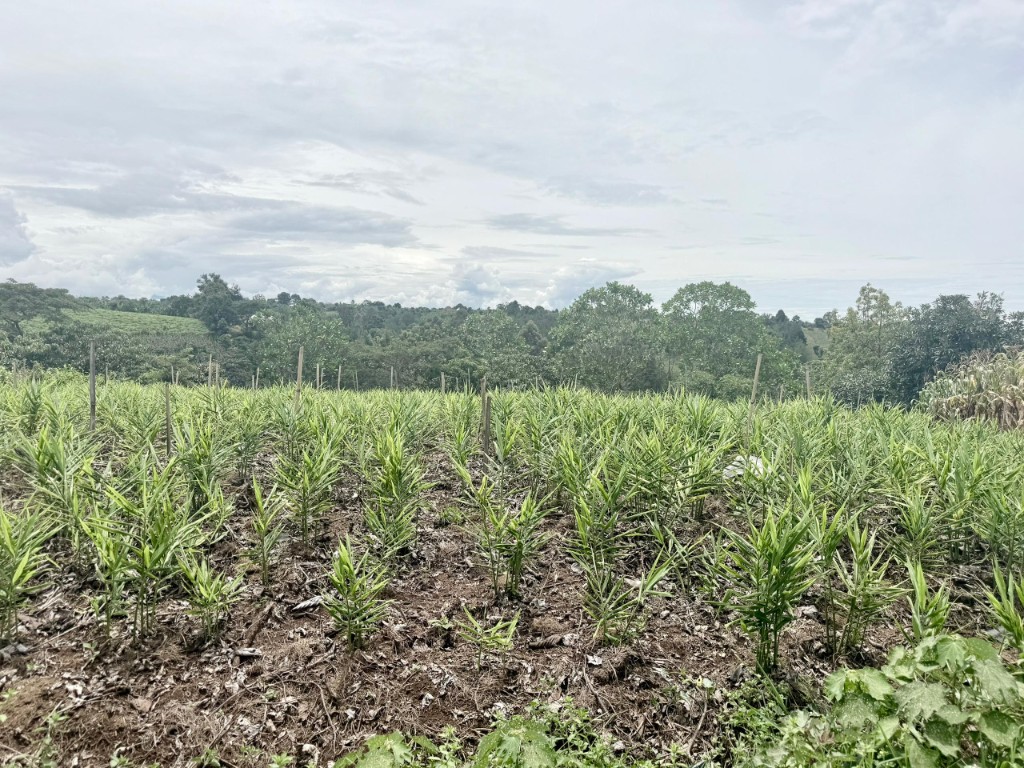
Today, however, targeted African climate funds are flowing into the valley, empowering farmers to transition to certified organic ginger farming. By financing the distribution of drought-resistant seeds and training in regenerative agriculture, such as mulching for moisture retention and the use of bio-fertilizers, this capital acts as a financial shield. These practices do more than just grow spice; they build "soil sponges" that allow crops to survive dry spells and prevent erosion during heavy downpours, ensuring that a single storm no longer means a season of lost income.
This shift is a lifeline for local livelihoods, turning a volatile harvest into a high-value, steady export that commands a premium in global markets. For the families of Isajilo, this means the ability to reinvest in their children's education and local healthcare, fostering a resilient community that no longer lives in fear of the next weather report. On a global scale, this micro-level success is a direct contribution to the Paris Agreement. By replacing chemical inputs with organic methods, these smallholders are sequestering carbon in the soil and reducing nitrous oxide emissions, effectively aligning local prosperity with the international goal of limiting global warming.
In the quiet fields of Tukuyu, climate finance isn't just a policy term; it is the engine of a green recovery that proves sustainable farming can be both a moral choice and a profitable one.